2020-2025: Digital Expansion and Reorganization
As we conclude the 20th-anniversary journey of CulturePolis, we arrive at one of the most demanding chapters of our trajectory: the period of 2020–2025.
The onset of the COVID-19 pandemic in 2020 profoundly impacted the global cultural sector. Events were canceled, collaboration networks were disrupted, and many organizations were forced to redefine their operations within a new, uncertain environment.
For CulturePolis, this period was both a challenge and an opportunity for adaptation. The organization transitioned a significant portion of its activities into the digital sphere. Despite the difficulties of the era, these five years proved to be among the most productive in our history, with 17 initiatives and major European projects successfully implemented.
At the heart of these initiatives were key themes such as digital literacy and tackling online misinformation, the application of new technologies in culture, as well as sustainable development and smart cities.
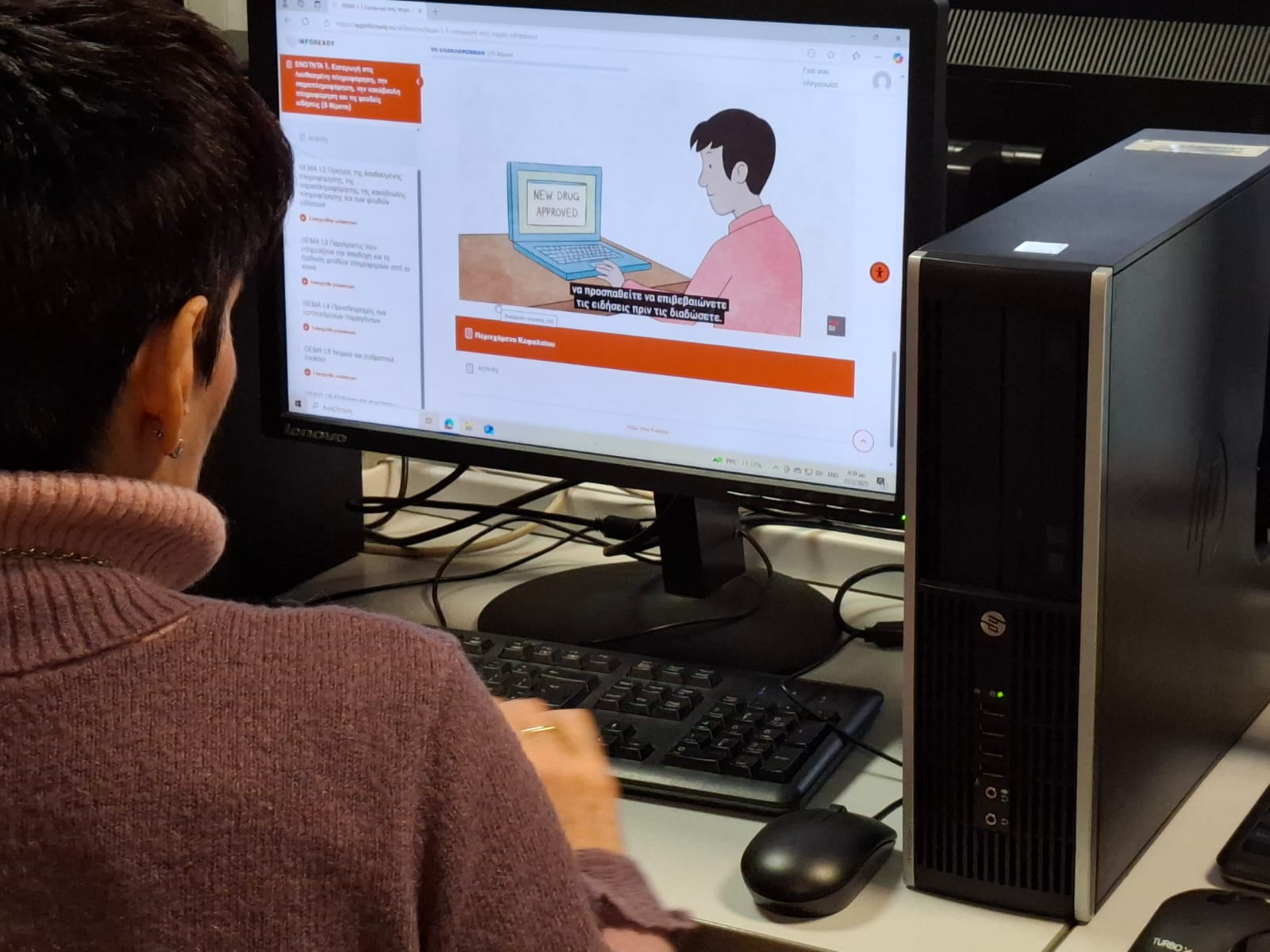
Projects of the Period
2020
2020-2022
2021
One thousand and one… gatherings
2021-2023
2022-2025
2024-2026
ACHIEVE CCS: Ambitious Careers and Holistic Innovation for Empowering Women in CCS
A conversation with Dr. Vasileios Laopodis, Founder and President of CulturePolis
What was the greatest challenge CulturePolis faced during the pandemic period?
The greatest challenge wasn’t the suspension of physical events and human contact—that was to be expected. The real challenge was the radical shift in the funding landscape accelerated by the pandemic. As I analyzed in our first two newsletters, success rates plummeted from 15-20% to 3-5%, as university departments and large corporations flooded into programs that were traditionally the domain of small civil society organizations. We were forced to re-evaluate not only how we work, but our very model of survival. Despite this, we implemented several significant projects, such as the launch of the Center for Greek and Arabic Literature and Culture (K.El.A.L.P.), the intercultural dialogue project Together – TOwards a cultural understandinG of thE οΤΗΕR, etc.
Why do you believe this period was particularly productive?
Enforced distancing provided an opportunity for deep strategic reflection that we hadn’t had time for during our period of intense European extroversion (2011-2020). While others were rushing to adapt to the ‘new normal’, we used this time to systematize 15 years of knowledge and experience. Furthermore, the digital shift allowed us to reach new target groups and develop new methodologies that we later integrated into the design of the CorfuGen initiative. Paradoxically, limited mobility made us more strategic.
Coming out of the pandemic, did this shift toward the digital world influence CulturePolis’s decision to seek physical points of reference (CorfuGen)?
Indeed. The experience of total digitalization showed us its limits. We discovered that authentic cultural transmission, experiential learning, and community cohesion require physical presence and accessible spaces—and that local knowledge is a competitive advantage. CorfuGen is not a reaction against the digital age; it is a natural result. We are designing a hybrid space that combines the reach of digital technology with the authenticity of physical experience. As I once wrote, “the seed planted in 2006 is preparing to bloom.” It took 20 years of maturation, a pandemic, and the rise of Artificial Intelligence to realize that the future of culture is neither exclusively digital nor exclusively physical, but a smart integration of both.
In closing, I would like to emphasize that the combination of the “Culture-Sustainability-Innovation” triptych—particularly in island regions where tourism dominates as perhaps the only development model for young people, with all that this implies for the neglect of nature and local heritage—allows for a more balanced development and can signal a new paradigm.
We invite you to follow the journey of this anniversary year through our social media channels as well:
From January to March 2026, we shared a weekly project spotlight selected from the actions of CulturePolis; we invite you to explore them by following us on social media and searching for #20yearsCulturePolis #ProjectSpotlight.
Thank you for being by our side on this journey.